
Is Satin Good for Sensitive Skin? Let's Dive In
Imagine this: a fabric so smooth, it feels like the gentlest hug from your grandmother, enveloping you in warmth and comfort. Could such a fabric really exist? And more importantly, could it be the answer for those of us with sensitive skin? Welcome to the world of satin.
The Satinera: More Than Just a Fabric
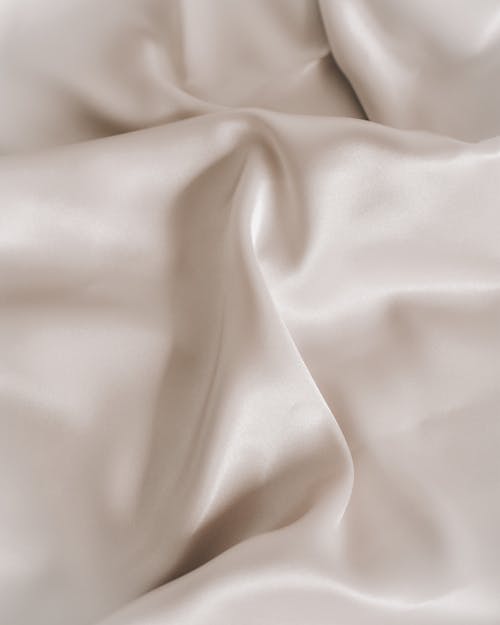
Before we get deep into the benefits, let's clarify what satin really is. Often mistaken for silk because of its luxurious texture, satin is actually a type of weave that results in a shiny, soft finish. Traditional satin starts with filament fibers like polyester or silk, woven in such a pattern that the fibers don't interlace much. This gives satin its unique sheen and ultra-smooth feel.
Many people—including those with sensitive skin—consider satin bedding or clothing because it’s so soft and comfortable. But does this gentle touch truly make a difference for sensitive skin? Let's explore.
Understanding Sensitive Skin
What Makes Skin "Sensitive" Anyway?
If you've got sensitive skin, you're in good company. Sensitive skin can be defined as a propensity for your skin to react adversely to various substances or conditions. It might manifest as redness, itchiness, or a burning sensation when you come into contact with seemingly normal materials or environmental factors.
Sensitive skin may arise due to genetic factors, but environmental influences or personal skincare routines can aggravate it as well. Many fabrics can exacerbate these conditions, which is why your choice of textiles matters. This is where satin can swoop in like a hero in a softly-tailored cape.
Satin’s Gentle Touch
One of the main advantages of satin is its low friction against your skin. This is particularly important for those whose skin becomes easily irritated. When you wear a satin blouse or sleep on satin sheets, your skin experiences less abrasion compared to more textured materials like cotton or wool.
Moreover, satin doesn't absorb moisture as cotton does. This means your skin's natural oils remain intact, potentially preventing the dryness that triggers itchiness and irritation.
The Benefits of Satin for Sensitive Skin
Less Irritation
By reducing friction, satin can lead to less skin irritation. For people like you and me, who dread waking up with facial skin creases or an itchy rash, this is phenomenal news. Satin's smooth nature makes it a fantastic option for pillowcases and clothing in your daily life.
Better Hydration
If you've ever wondered why your face feels dry in the morning, your cotton pillowcase could be the culprit. Cotton may absorb much of your nighttime moisturizer (and all your hard work) as you sleep. Meanwhile, satin allows your skincare products to stay on your skin, helping to preserve moisture levels overnight.
A Solution for Allergy Sufferers?
Dust mites love rougher-textured fabrics, but satin's sleek surface isn't as welcoming. This can make satin a better option for those who suffer from allergies related to dust mites. What a relief to know that such a simple fabric switch could make a big difference.
Potential Downsides of Satin
Not All Satins Are Created Equal
Before you deck out your entire wardrobe or bedroom in satin, a word of caution: satin can be made from various materials including polyester, silk, and blends. True silk satin is naturally hypoallergenic and has the best qualities for sensitive skin. Poly-based satin, while more affordable, may contain chemicals or treatments that could irritate skin.
Maintenance Matters
While satin feels divine, it does require some care. Unlike your trusty cotton, satin needs special attention in the washing machine. Fret not, though—gentle cycles and mild detergents will keep your satin pieces looking their best.
Ethical Concerns
There is also the aspect of silk production to consider if you lean towards more ethical or vegan choices, as the traditional method of silk production involves harming silkworms.
Is Satin the Right Choice For You?
Weigh Your Options
Choosing satin for your sensitive skin boils down to your priorities in comfort, maintenance, and ethical considerations. If it feels right, satin might transform your skin’s comfort level in a way you've never imagined.
Personal Experience: A Satin Tale
I remember my first satin pillowcase—after one night, my skin didn't feel dry and my hair was less frizzy! As someone who used to battle daily morning face-crepe, switching to satin offered a surprisingly delightful change.
Now It's Your Turn
Could satin be the fabric game-changer for your skin? Time to dive into the world of satin and experience its benefits firsthand! Explore a satin pillowcase or blouse; it may just be the gentle savior your sensitive skin has been looking for.